


-

Add: HeBei ShengShi HongBang Cellulose Technology CO.,LTD.
-

Email
13180486930@163.com -

CONTACT US
+86 13180486930
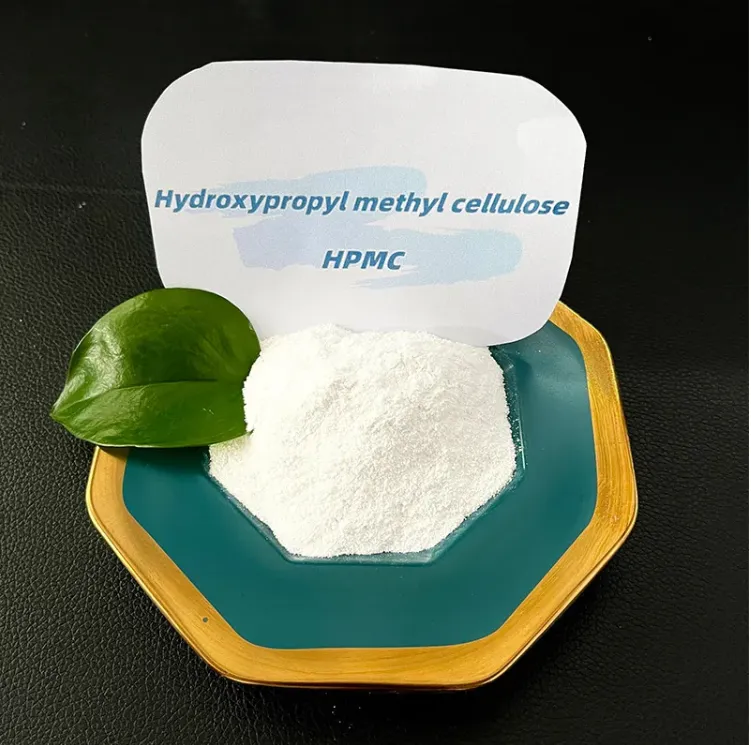



Retaining optimal eye health in today’s digitally-driven world poses a significant challenge, with increased screen time leading to discomfort and dryness. One solution that has been gaining attention is Retaine HPMC eye drops . This product stands out not only for its effectiveness but also for its novel approach to eye care, ensuring users regain ocular comfort with a scientific touch of hydration science. For those enduring the discomfort of dry eyes, the application of Retaine HPMC eye drops offers a user-centric solution that melds experience and expertise. Among the plethora of eye care products available, Retaine HPMC differentiates itself with its unique formulation, rich in Hydroxypropyl Methylcellulose (HPMC). This active ingredient is celebrated for its superior lubricating properties that provide quick relief and prolonged moisture retention on the ocular surface. From an experiential perspective, users have consistently reported an immediate soothing effect following the application of Retaine HPMC. This is vital for individuals whose daily routines demand clarity and comfort, such as professionals engaged in prolonged computer usage or individuals spending extensive hours in climate-controlled environments. The long-lasting comfort provided by these eye drops is not just a marketing declaration but a testament supported by numerous user testimonials and reviews that highlight the product’s efficacy. Delving into the expertise aspect, it's imperative to note that the science behind Retaine HPMC eye drops is underscored by rigorous research. Hydroxypropyl Methylcellulose, a polymer known for its viscoelastic properties, forms a protective film over the ocular surface, mimicking the natural tear film's function. This replication is crucial for maintaining hydration and protecting the cornea from various environmental irritants. Such intricate chemistry cements its standing as a scientifically backed product, making it a reliable ally in mitigating the symptoms of dry eye syndrome. retaine hpmc eye drops Authoritativeness is another pillar where Retaine HPMC commands respect in the pharmaceutical realm. The product is a result of comprehensive research and testing, complying with stringent regulatory standards. It has been recommended by healthcare professionals, further solidifying its reputation. Ophthalmologists often suggest Retaine HPMC as a first-line defense against ocular surface discomfort due to its effective compositional formula that does not induce dependency, even with prolonged use. An essential aspect that potential users consider is trustworthiness, especially in healthcare-related products. Retaine HPMC eye drops have consistently demonstrated their safety and efficacy through extensive clinical trials. The product’s commendable track record of minimal to no adverse effects plays a crucial role in building consumer confidence. Additionally, it comes packaged with clear usage instructions, ensuring that users can confidently administer the solution, knowing they are in possession of a high-quality, reliable product designed with their health in mind. Moreover, these eye drops are accessible without the necessity of a prescription, allowing for convenient purchase while maintaining high quality. This accessibility broadens its appeal and usefulness, accommodating a wider demographic who may face discomfort from dry eyes yet seek quick, professional-grade relief. In summary, Retaine HPMC eye drops embody the epitome of an efficient, reliable, and scientifically-endorsed product, providing unparalleled relief in the realm of eye care. The product’s basis on solid scientific research and positive user experiences, coupled with esteemed endorsements from experts, makes it a trustworthy choice for anyone looking to alleviate dry eye symptoms. Such robust characteristics make it a product that garners loyalty and trust from new users and seasoned advocates alike, setting a high standard in eye health maintenance.
- 40000tons

Production
- 20+years

Experience
- 5000+㎡

Acreage

-
In the rapidly evolving world of pharmaceutical and health supplement manufacturing, the demand for high-quality, reliable capsule encasements is growing exponentially. Among the top choices are Hydroxypropyl Methylcellulose (HPMC) capsules, renowned for their plant-based origin and compatibility with a diverse range of formulations. Choosing the right HPMC capsule supplier is crucial for maintaining product integrity, ensuring customer satisfaction, and staying ahead in an increasingly competitive market. One of the critical considerations when selecting an HPMC capsule supplier is the supplier's expertise and experience . Suppliers with extensive industry experience are more likely to provide consistent product quality, as they understand the nuances and complexities of HPMC production and distribution. These experts have honed their processes to deliver capsules that meet stringent industry standards, ensuring that the end products are safe and effective for consumer use. Furthermore, experienced suppliers often offer insights and advice on optimizing formulations, drawing on years of specialized knowledge to support product development and innovation. The professional relationships built over time with reputable HPMC capsule suppliers can significantly impact the product's efficacy and marketability. Trust in a supplier is rooted in their authoritative standing in the industry. Leading suppliers often hold certifications from recognized standards organizations, such as ISO or GMP, offering assurance that their production processes are compliant with international quality regulations. This authority ensures that any batch of capsules sourced will meet necessary pharmacopeia requirements, a non-negotiable aspect for any manufacturing entity aiming to sell internationally. In terms of product trustworthiness, choosing a supplier with a transparent supply chain process can further enhance a brand's reputation. Today’s consumers are increasingly informed and discerning, often seeking background details on the sourcing and manufacturing of products they consume. By partnering with a supplier that prioritizes transparency and ethical practices, companies can add an extra layer of assurance for their end consumers. This might include a full disclosure of the raw materials used, adherence to sustainable practices, or a commitment to cruelty-free testing methods. hpmc capsule supplier Moreover, innovation in the realm of HPMC capsules demands suppliers that are committed to continuous research and development. As newer formulations emerge, particularly in the nutraceutical industry, the need for specialized capsules that support delayed-release or targeted-release functionalities grows. Top-tier suppliers not only keep abreast of the latest scientific advancements but also actively contribute to shaping future trends. Their R&D teams work on creating capsule variations that enhance stability, taste-masking, and even bioavailability, thereby contributing to enhanced user experience and satisfaction. To judge a supplier's capability genuinely, a prospective client should examine case studies or testimonials from other companies in similar niches. Such information can highlight the supplier’s ability to handle unique challenges or large-scale production demands and can offer visibility into their customer service and after-sale support dynamics. Relationships built on successful collaborations often lead to long-term partnerships, benefiting from improved efficiencies and aligned business objectives. In summation, selecting an HPMC capsule supplier requires careful consideration of their experience, expertise, authoritative standing, and trustworthiness. By prioritizing these core attributes, businesses can ensure they are choosing a partner capable of delivering high-quality, reliable products that meet exacting industry and consumer standards. Through this partnership, companies can extend their market reach, enhance consumer trust, and foster continual growth in the competitive landscape of health and wellness products.
-
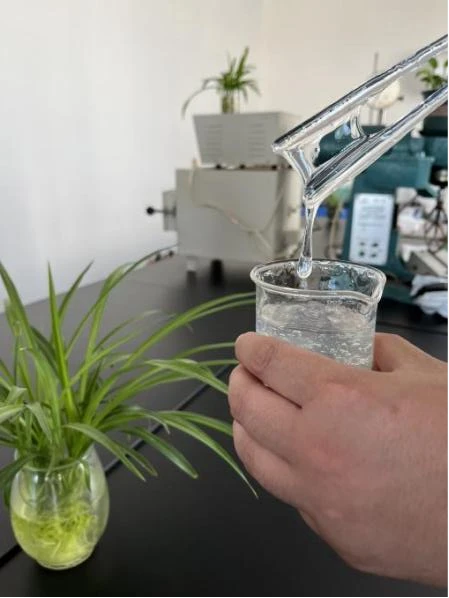
On the previous day, the technical team of the company convened at the office to conduct a comprehensive experimental demonstration focusing on Hydroxypropyl Methylcellulose (HPMC). This session was meticulously organized to showcase the exceptional high viscosity properties of HPMC, a critical attribute that underlines its versatile applicability across various industries. The demonstration aimed to provide stakeholders, including researchers and potential clients, with a clear understanding of how HPMC performs under specific conditions, emphasizing its efficacy as a thickening, binding, and stabilizing agent. Throughout the event, the technical personnel engaged in detailed discussions and hands-on presentations, illustrating the various methods of integrating HPMC into formulations and processes. The outcomes highlighted not only the material's effectiveness in enhancing product consistency and texture but also its role in improving the overall performance of formulations across diverse applications. By meticulously examining the high viscosity characteristics, the team aimed to solidify the company’s position as a leader in supplying innovative and reliable solutions tailored to meet industry demands. This demonstration serves not only as a platform for knowledge sharing but also as a strategic initiative to foster collaboration and build stronger partnerships with entities that rely on advanced materials. The insights and data gathered during this session will contribute to ongoing research and development efforts, ultimately facilitating the introduction of new products that harness the unique benefits of HPMC. Overall, the successful execution of this experiment underscores the company's commitment to technological advancement and excellence in service delivery, thereby reinforcing its reputation in the market as a trusted provider of specialty chemicals and materials. We specialize in high-quality cellulose products that cater to a diverse range of industries and applications. Our extensive experience in the field allows us to provide you with a seamless export experience, characterized by reliability and excellence. Our team is dedicated to working closely with you to understand your specific needs and requirements, ensuring that we deliver products that not only meet but exceed your expectations. We believe that a successful business relationship is built on trust, transparency, and mutual growth, and we are here to provide you with the necessary support and guidance every step of the way. Whether you are looking to enhance your product line or expand your market reach, our cellulose products are designed to add value to your offerings. Don't hesitate to reach out to us; we are eager to assist you and discuss how we can work together to achieve your business goals. Together, we can reject the pitfalls of traditional manufacturing processes and embrace a future defined by quality and integrity in all our products. Welcome to our community of excellence, where your success is our priority!
advantages
-

200000 Viscosities
Excellent product
We can produce pure products up to 200,000 viscosities
-

40000 tons
High yield
We don’t stop production all year round, and the annual output can reach 40,000 tons
-

24 hours
Quality service
We provide 24-hours online reception service, welcome to consult at any time
———— Inquiry Form
Schedule A services

-
 wood_composition_cellulose_hemicellulose_lignin
Oct . 25, 2025
In the rapidly evolving world of pharmaceutical and health supplement manufacturing, the demand for -
 hydroxypropylmethylcellulose_supplier
Oct . 25, 2025
Hydroxypropyl Methyl Cellulose (HPMC) has emerged as a versatile material in various industries, off -
 selulosi_iliyotengenezwa_kwa_kuni_ni_nini
Oct . 25, 2025
Hypromellose, auch bekannt als HPMC, ist ein vielseitiger Zusatzstoff, der häufig in der Pharma-, Le


